Solar Panel Myths Debunked: What Every Homeowner Should Know


Introduction
As solar energy becomes increasingly popular, so do the myths surrounding it. These misconceptions can deter homeowners from making the switch to solar power, despite its numerous benefits. In this blog post, we'll debunk some of the most common myths about solar panels to help you make an informed decision.
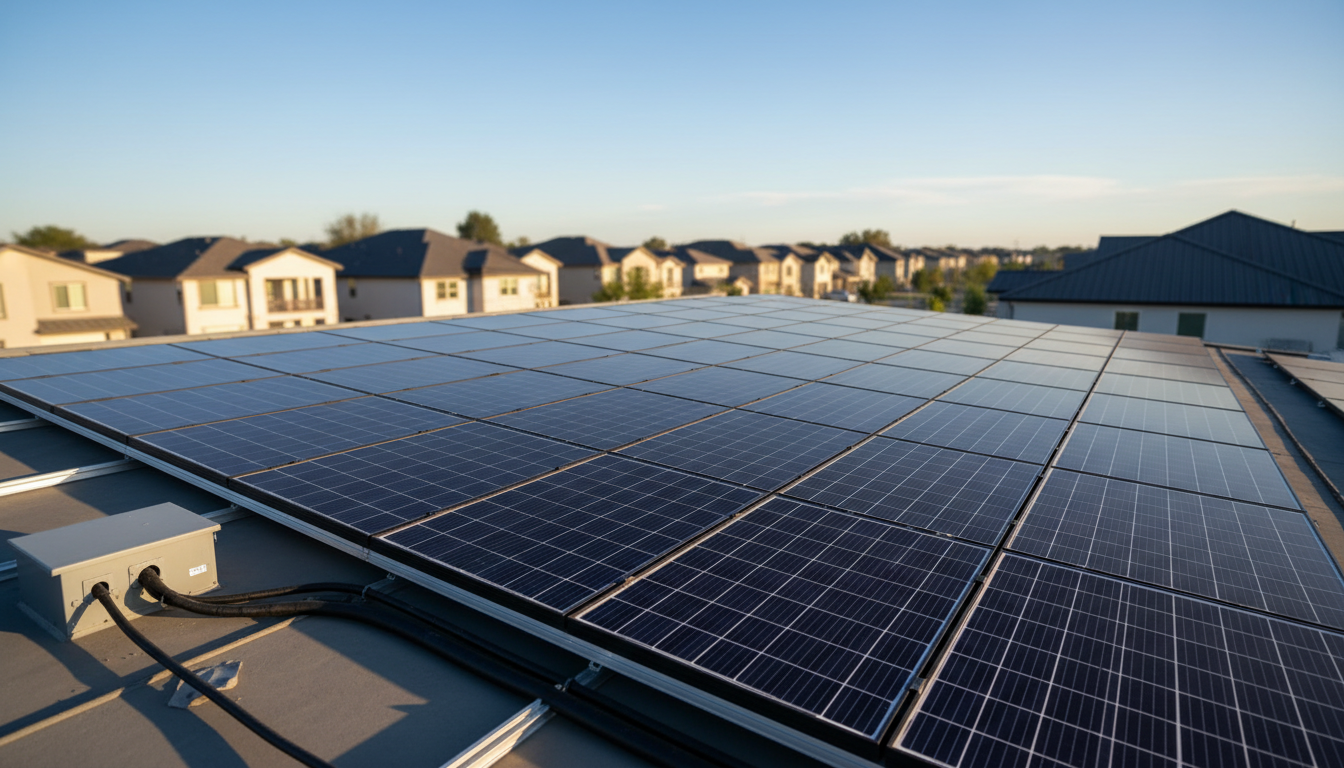
Myth 1: Solar Panels Are Too Expensive
One of the most pervasive myths is that solar panels are prohibitively expensive. While the initial investment can be significant, the costs have decreased dramatically over the past decade. Moreover, government incentives and financing options can make solar panels more affordable. Over time, the savings on your electricity bill can offset the installation costs.
Myth 2: Solar Panels Won't Work in Cloudy Areas
Many people believe that solar panels are only effective in sunny climates. While it's true that more sunlight can lead to higher energy production, solar panels can still generate electricity on cloudy days. Germany, for example, is a global leader in solar energy despite its frequent overcast weather.
Myth 3: Solar Panels Require Constant Maintenance
Contrary to popular belief, solar panels require minimal maintenance. Most systems only need occasional cleaning and a yearly inspection to ensure optimal performance. In fact, many manufacturers offer warranties lasting 20–25 years, underscoring their durability and low maintenance needs.
Myth 4: Solar Panels Will Damage Your Roof
Some homeowners worry that installing solar panels will harm their roof. However, when installed correctly by professionals, solar panels can actually protect your roof by shielding it from the elements. Additionally, the installation process is designed to preserve the integrity of your roofing materials.
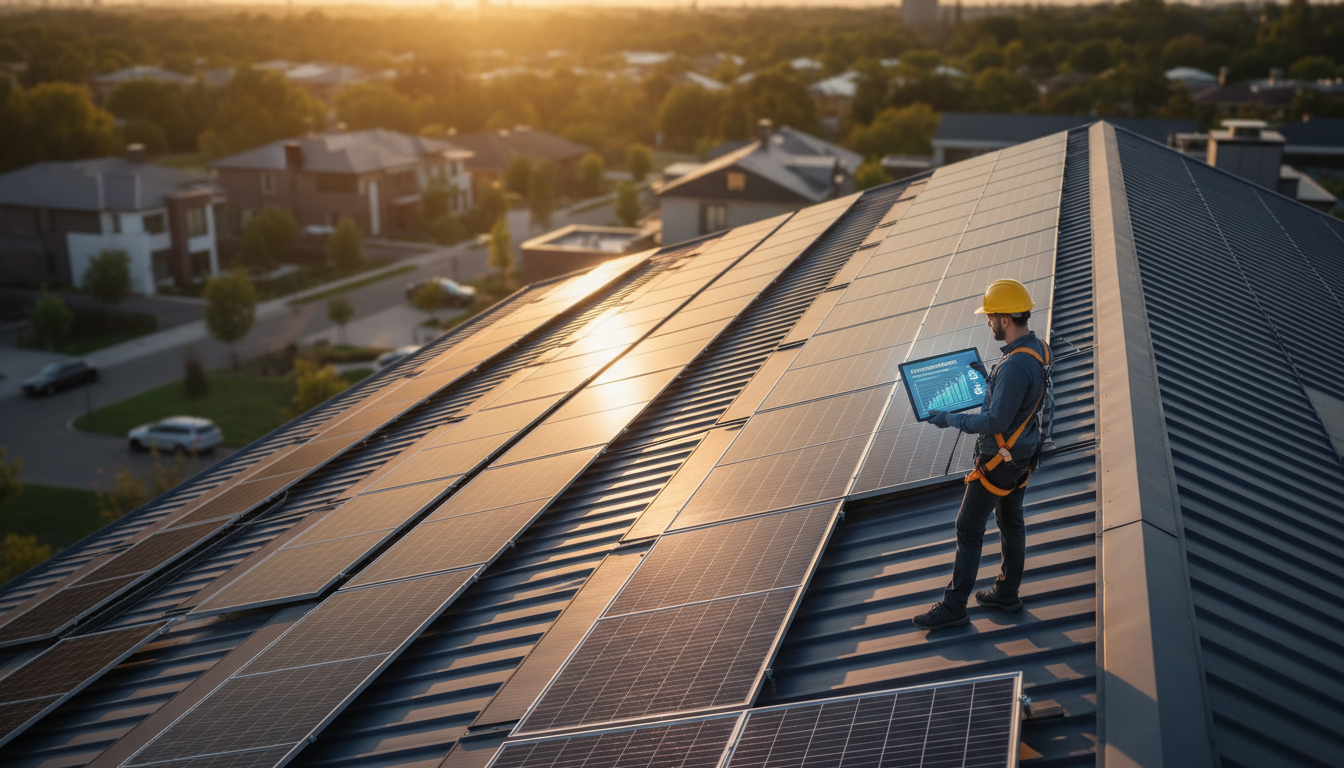
Myth 5: Solar Panels Are Not Environmentally Friendly
There's a misconception that the production and disposal of solar panels negate their environmental benefits. While manufacturing does have an environmental impact, solar panels generate clean energy throughout their lifespan, which significantly reduces overall carbon emissions. Recycling programs are also available to handle end-of-life panels responsibly.
The Bottom Line
Solar energy is a reliable and sustainable source of power that offers numerous benefits for homeowners. By debunking these myths, we hope to provide a clearer understanding of how solar panels can positively impact both your wallet and the environment.

Conclusion
Switching to solar energy is a significant decision, but one that can lead to long-term savings and environmental benefits. If you're considering solar panels for your home, be sure to consult with a professional to get personalized advice tailored to your specific situation.