How to Prepare Your Home for Solar Installation: A Step-by-Step Guide


Understanding the Basics of Solar Installation
Making the switch to solar energy is an exciting step towards sustainability and energy independence. Before installation begins, it's important to understand the basics of how solar panels work and how they will be integrated into your home’s existing systems.
Evaluate Your Roof’s Condition
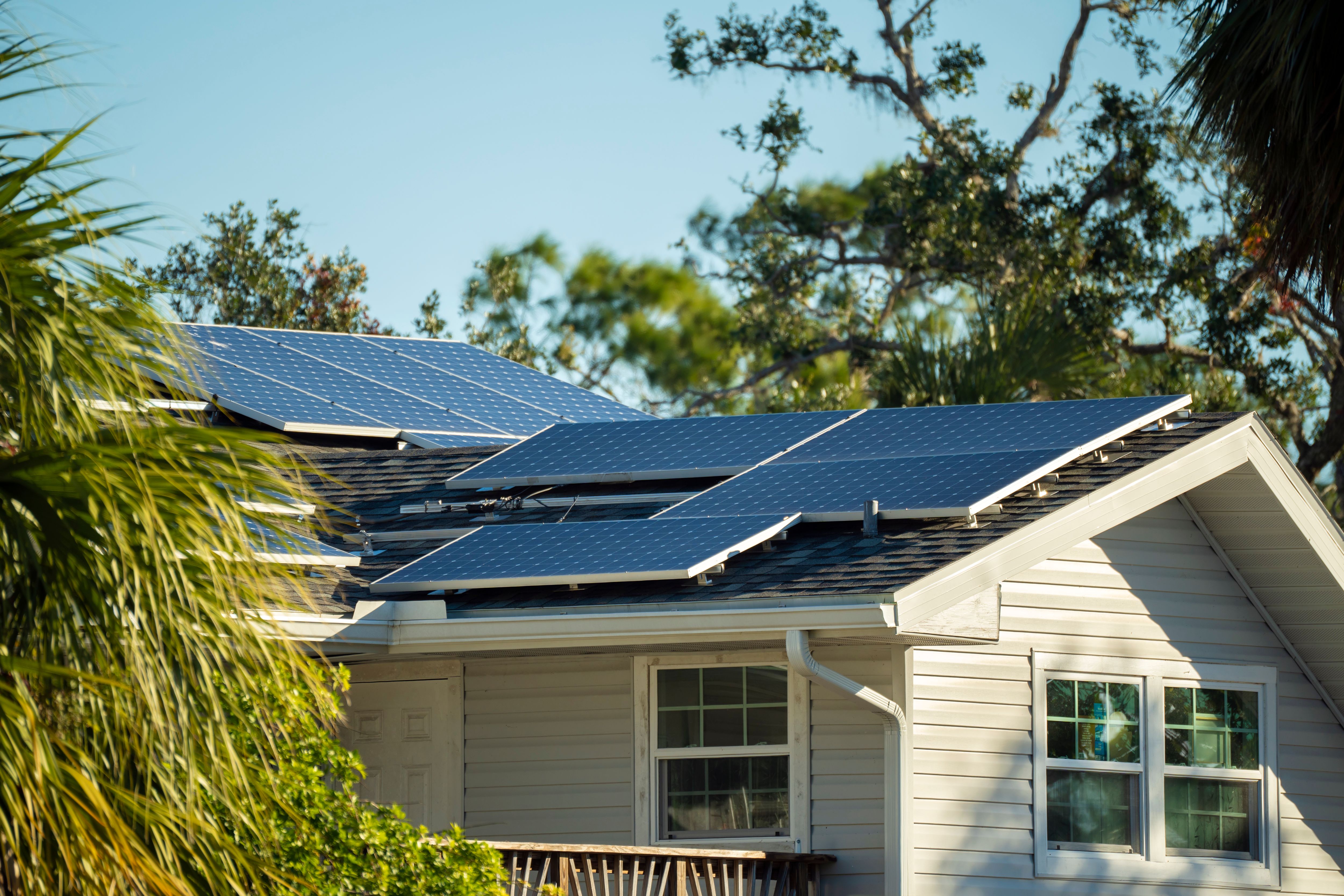
One of the first steps in preparing for solar installation is evaluating the condition of your roof. A sturdy roof is crucial, as solar panels are typically designed to last 25-30 years. Ensure there are no leaks or damages that need repair before installation.
If your roof is nearing the end of its lifespan, consider re-roofing beforehand. This will save you from having to remove the solar panels to repair or replace the roof later.
Assess Your Home’s Energy Needs
Understanding your home’s energy consumption will help determine the size and number of solar panels you need. Review your electricity bills from the past year to analyze your energy usage patterns. This information will assist your installer in designing an efficient solar system for your home.
Check Local Regulations and Permits
Before installing solar panels, it's essential to check local regulations and obtain any necessary permits. Some areas have specific guidelines regarding solar installations, including building codes and zoning laws. Your solar installer can often assist with this process, ensuring all requirements are met.
Choosing the Right Solar Installer
Selecting a qualified and reputable solar installer is crucial for a successful installation. Research different companies, read customer reviews, and compare quotes. A good installer will provide a detailed proposal, including costs, timelines, and expected energy savings.
Prepare Your Home for Installation Day
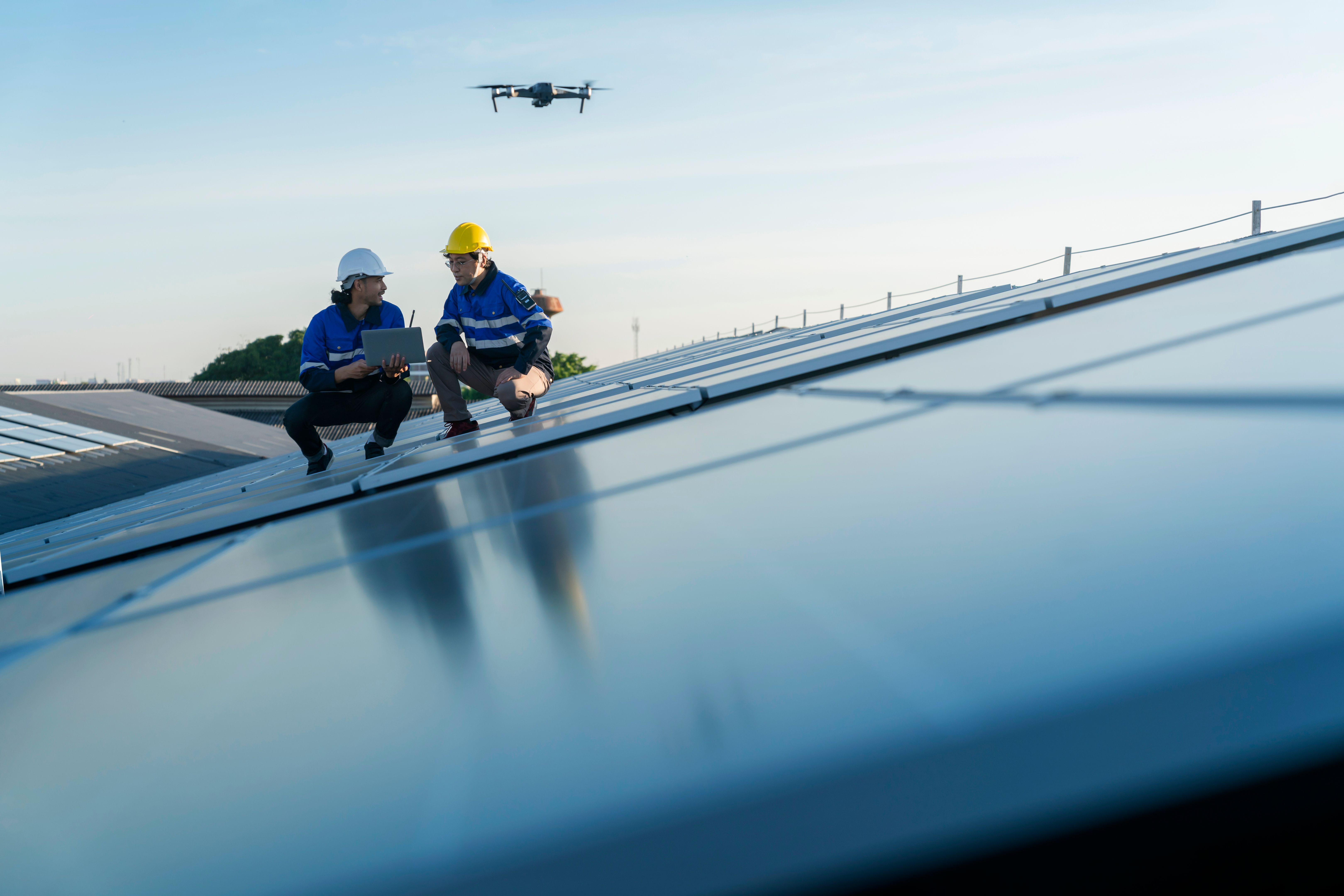
Once you’ve selected an installer and obtained all necessary permits, it’s time to prepare your home for the installation day. Clear any obstacles from your roof and ensure the workspace is accessible. Discuss the installation timeline with your installer to know what to expect on the day of installation.
Additionally, notify your neighbors about the installation, especially if the work might cause temporary noise or disruptions.
Monitor Your New Solar System
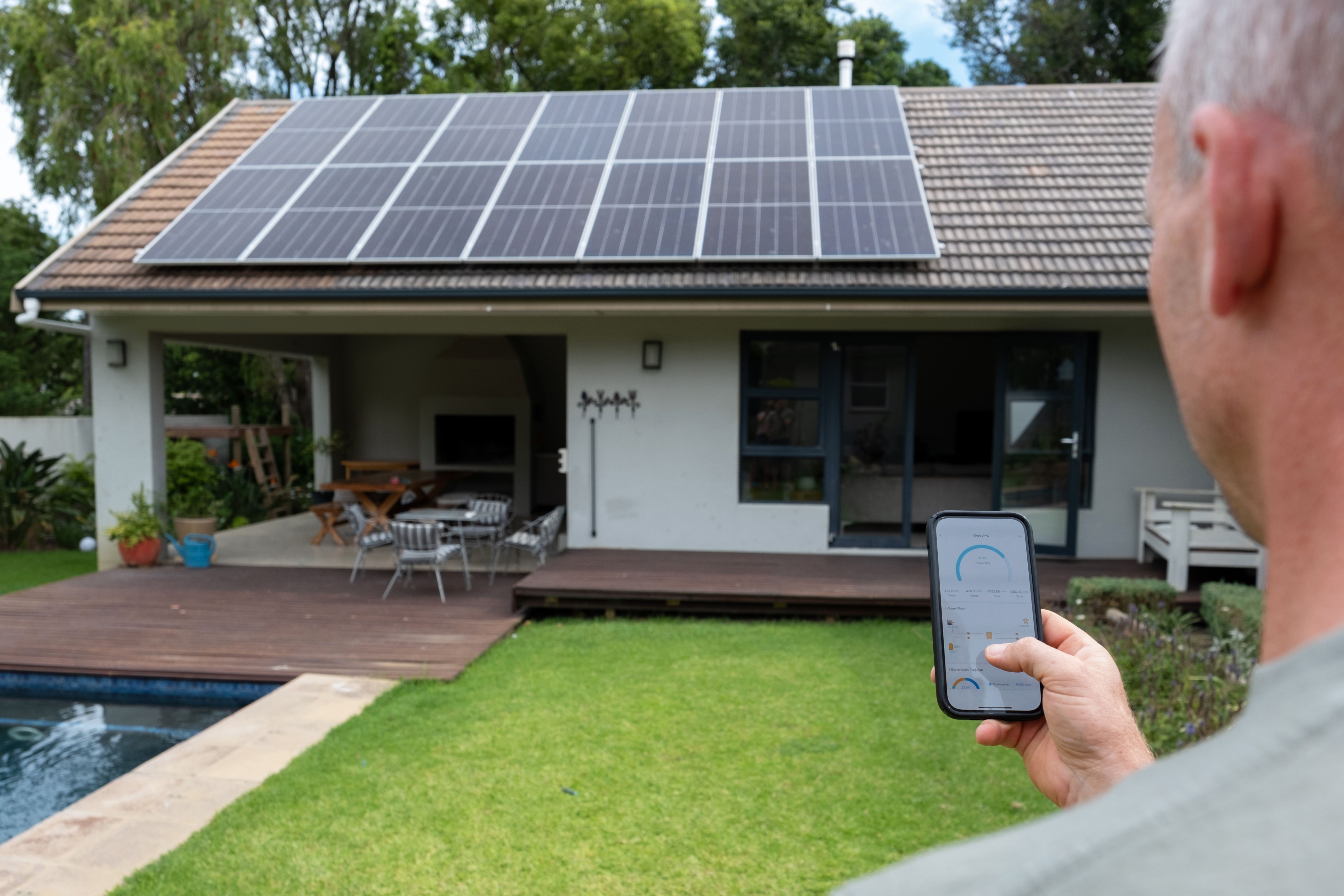
After installation, you’ll want to monitor your solar system’s performance to ensure it’s operating efficiently. Many systems come with monitoring software that tracks energy production and usage. Regular maintenance checks will help keep your solar panels in optimal condition.
By following these steps, you can smoothly transition to solar energy, reducing your carbon footprint and potentially lowering your energy bills. Embrace the benefits of solar power and enjoy a more sustainable lifestyle.