Debunking Common Myths About Solar Energy in New Jersey


Understanding Solar Energy in New Jersey
Solar energy is rapidly gaining traction across the United States, especially in New Jersey. However, despite its growing popularity, several myths continue to surround this clean energy source. By debunking these myths, we can better understand the true potential of solar power for residents and businesses in New Jersey.

Myth 1: Solar Panels Don't Work in Cloudy Weather
One of the most pervasive myths is that solar panels only work in sunny conditions. In reality, solar panels are designed to capture sunlight, not heat, meaning they can generate electricity even on overcast days. New Jersey's climate, with its mix of sunny and cloudy days, is well-suited for solar energy production.
Cloudy weather does reduce the efficiency of solar panels, but it doesn't stop them from producing energy. In fact, modern solar technology continues to improve, allowing panels to capture diffuse sunlight more effectively than ever before.
Myth 2: Solar Energy Is Too Expensive
Another common misconception is that solar energy is prohibitively expensive. While the initial investment can be significant, the long-term savings on electricity bills can be substantial. Additionally, New Jersey offers various incentives and rebates, such as the Solar Investment Tax Credit (ITC), which can significantly reduce the overall cost.
Moreover, many companies offer financing options, including solar leases and power purchase agreements (PPAs), which allow homeowners to go solar with little to no upfront costs.
Myth 3: Solar Panels Require Constant Maintenance
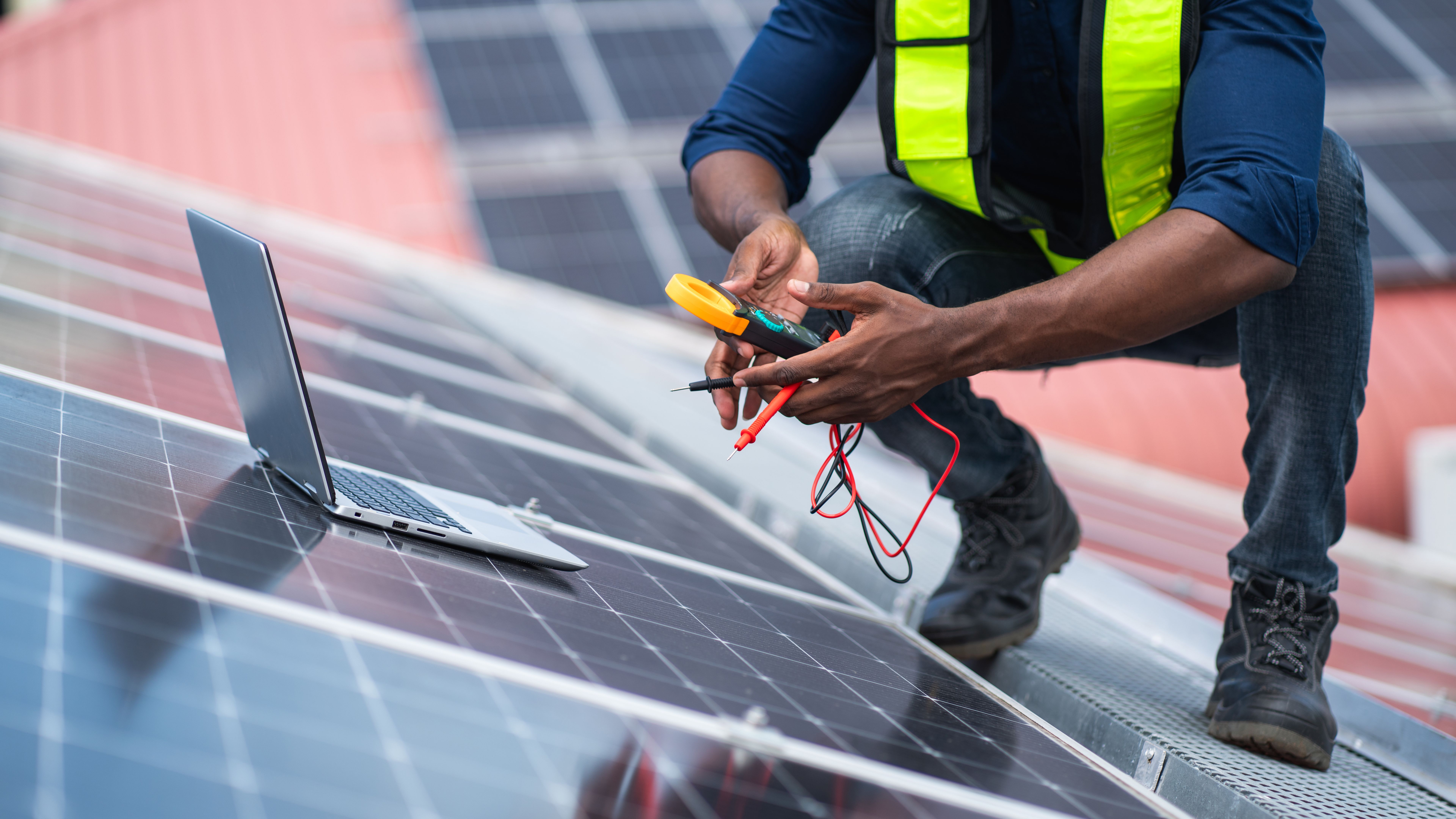
Some people believe that solar panels require constant maintenance and upkeep. In truth, solar panels are designed to be low-maintenance and durable. They have no moving parts, which means there's less chance of mechanical failure.
Most solar panels come with a warranty of 20-25 years and require only occasional cleaning to remove dirt and debris. Regular monitoring apps can also help users track performance and identify any potential issues early on.
Myth 4: Solar Energy Is Not Reliable
There's a belief that solar energy is unreliable because it's dependent on the sun. However, solar power systems are often paired with battery storage solutions that store energy for use during nighttime or cloudy days.
Additionally, New Jersey's net metering policy allows solar energy users to send excess electricity back to the grid, providing a credit on their utility bills. This system ensures a reliable energy supply throughout the year.
Conclusion: Embracing Solar Energy
Debunking these myths reveals that solar energy is a viable, cost-effective, and reliable source of power for New Jersey residents. As technology advances and incentives continue to improve, more homeowners and businesses are expected to turn to this sustainable energy solution.
By understanding the true benefits and capabilities of solar power, we can make informed decisions that contribute to a greener, more sustainable future.